Describe core data concepts (15-20%)
Describe types of core data workloads
- describe batch data https://docs.microsoft.com/en-us/azure/architecture/data-guide/technology-choices/batch-processing
- describe streaming data https://docs.microsoft.com/en-us/learn/paths/implement-data-streaming-with-asa/
- describe the difference between batch and streaming data https://thenewstack.io/the-big-data-debate-batch-processing-vs-streaming-processing/
- describe the characteristics of relational data https://binaryterms.com/relational-data-model.html
Describe data analytics core concepts
describe data visualization (e.g., visualization, reporting, business intelligence https://www.tableau.com/learn/articles/data-visualization
describe basic chart types such as bar charts and pie charts https://chartio.com/learn/charts/how-to-choose-pie-chart-vs-bar-chart/
describe analytics techniques (e.g., descriptive, diagnostic, predictive, prescriptive, cognitive) https://www.investopedia.com/terms/d/data-analytics.asp#:~:text=Data%20analytics%20is%20the%20science,raw%20data%20for%20human%20consumption.
describe ELT and ETL processing https://www.xplenty.com/blog/etl-vs-elt/#:~:text=ETL%20is%20Extract%2C%20Transform%20and,No%20data%20staging%20is%20needed.
describe the concepts of data processing https://www.mbaknol.com/management-information-systems/concept-of-data-processing/
Describe how to work with relational data on Azure (25-30%)
Describe relational data workloads
- identify the right data offering for a relational workload https://docs.microsoft.com/en-us/azure/architecture/guide/technology-choices/data-store-overview
- describe relational data structures (e.g., tables, index, views) https://docs.microsoft.com/en-us/azure/architecture/guide/technology-choices/data-store-overview
Describe relational Azure data services
- describe and compare PaaS, IaaS, and SaaS delivery models https://www.nigelfrank.com/blog/iaas-vs-saas-vs-paas-a-guide-to-azure-cloud-service-types/
- describe Azure SQL Database https://azure.microsoft.com/en-gb/services/sql-database/#product-overview
- describe Azure Synapse Analytics https://azure.microsoft.com/en-gb/services/synapse-analytics/
- describe SQL Server on Azure Virtual Machine https://azure.microsoft.com/en-gb/services/virtual-machines/sql-server/#overview
- describe Azure Database for PostgreSQL, Azure Database for MariaDB, and Azure Database for MySQL https://azure.microsoft.com/en-us/services/postgresql/ https://azure.microsoft.com/en-us/services/mariadb/ https://azure.microsoft.com/en-gb/services/mysql/#product-overview
- describe Azure SQL Managed Instance https://docs.microsoft.com/en-us/azure/azure-sql/managed-instance/sql-managed-instance-paas-overview
Identify basic management tasks for relational data
describe provisioning and deployment of relational data services https://docs.microsoft.com/en-gb/azure/azure-sql/database/sql-database-paas-overview
describe method for deployment including ARM templates and Azure Portal https://docs.microsoft.com/en-us/azure/azure-sql/database/arm-templates-content-guide?tabs=single-database
identify data security components (e.g., firewall, authentication) https://docs.microsoft.com/en-us/azure/azure-sql/database/secure-database-tutorial
identify basic connectivity issues (e.g., accessing from on-premises, access with Azure VNets, access from Internet, authentication, firewalls) https://docs.microsoft.com/en-us/azure/azure-sql/database/troubleshoot-common-errors-issues
identify query tools (e.g., Azure Data Studio, SQL Server Management Studio, sqlcmd utility, etc.) https://docs.microsoft.com/en-us/azure/azure-sql/database/connect-query-ssms
Describe query techniques for data using SQL language
- compare DDL versus DML https://www.geeksforgeeks.org/difference-between-ddl-and-dml-in-dbms/
- query relational data in PostgreSQL, MySQL, and Azure SQL Database https://azure.microsoft.com/en-gb/blog/fast-and-easy-dev-with-azure-db-for-mysql-and-azuredb-for-postgresql/
Describe how to work with non-relational data on Azure (25-30%)
Describe non-relational data workloads
- describe the characteristics of non-relational data https://docs.microsoft.com/en-us/azure/architecture/data-guide/big-data/non-relational-data
- describe the types of non-relational and NoSQL data https://docs.microsoft.com/en-us/azure/architecture/data-guide/big-data/non-relational-data
- recommend the correct data store
- determine when to use non-relational data https://www.pluralsight.com/blog/software-development/relational-non-relational-databases
Describe non-relational data offerings on Azure
- identify Azure data services for non-relational workloads https://docs.microsoft.com/en-us/azure/architecture/guide/technology-choices/data-store-overview
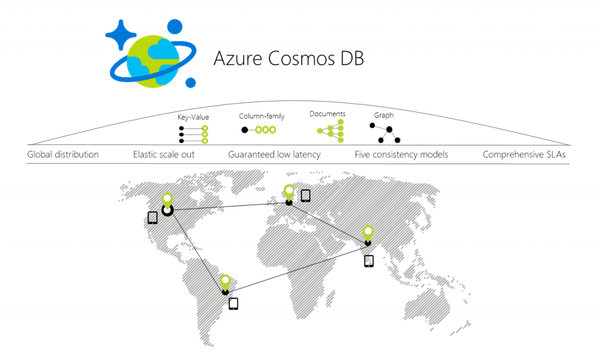
- describe Azure Cosmos DB APIs https://docs.microsoft.com/en-us/learn/modules/choose-api-for-cosmos-db/
- describe Azure Table storage https://azure.microsoft.com/en-gb/services/storage/tables/
- describe Azure Blob storage https://azure.microsoft.com/en-gb/services/storage/blobs/
- describe Azure File storage https://azure.microsoft.com/en-gb/services/storage/files/
Identify basic management tasks for non-relational data
- describe provisioning and deployment of non-relational data services https://www.edx.org/course/databases-in-azure
- describe method for deployment including ARM templates and Azure Portal https://docs.microsoft.com/en-us/azure/cosmos-db/manage-table-with-resource-manager
- identify data security components (e.g., firewall, authentication) https://docs.microsoft.com/en-us/azure/cosmos-db/database-security
- identify basic connectivity issues (e.g., accessing from on-premises, access with Azure VNets, access from Internet, authentication, firewalls) https://docs.microsoft.com/en-us/azure/cosmos-db/troubleshoot-dot-net-sdk
- identify management tools for non-relational data https://azure.microsoft.com/en-gb/overview/nosql-database/
Describe an analytics workload on Azure (25-30%)
Describe analytics workloads
- describe transactional workloads https://docs.microsoft.com/en-us/azure/cosmos-db/analytical-store-introduction
- describe the difference between a transactional and an analytics workload
- describe the difference between batch and real time
- describe data warehousing workloads https://azure.microsoft.com/en-gb/updates/workload-importance-for-azure-sql-data-warehouse-is-now-generally-available/
- determine when a data warehouse solution is needed
Describe the components of a modern data warehouse
- describe Azure data services for modern data warehousing such as Azure Data Lake, Azure Synapse Analytics, Azure Databricks, and Azure HDInsight https://azure.microsoft.com/en-gb/solutions/data-lake/ https://azure.microsoft.com/en-gb/services/synapse-analytics/ https://azure.microsoft.com/en-gb/services/databricks/ https://docs.microsoft.com/en-us/azure/hdinsight/
describe modern data warehousing architecture and workload
Describe data ingestion and processing on Azure
- describe common practices for data loading https://techcommunity.microsoft.com/t5/datacat/azure-sql-data-warehouse-loading-patterns-and-strategies/ba-p/305456
- describe the components of Azure Data Factory (e.g., pipeline, activities, etc.) https://www.youtube.com/watch?v=UQpAZVrRrzs#:~:text=some%20of%20the%20high%2Dlevel,ultimate%20end%20product%20for%20consumption.
- describe data processing options (e.g., HDI, Azure Databricks, Azure Synapse Analytics, Azure Data Factory) https://docs.microsoft.com/en-us/azure/architecture/data-guide/technology-choices/data-storage
Describe data visualization in Microsoft Power BI
- describe the role of paginated reporting https://docs.microsoft.com/en-us/power-bi/paginated-reports/paginated-reports-report-builder-power-bi
- describe the role of interactive reports https://powerbi.microsoft.com/en-us/desktop/#:~:text=Create%20interactive%20reports%20customized%20for,open%20source%20custom%20visuals%20framework.
- describe the role of dashboards https://docs.microsoft.com/en-us/power-bi/create-reports/service-dashboards
- describe the workflow in Power BI https://curbal.com/blog/lesson/power-bi-workflow